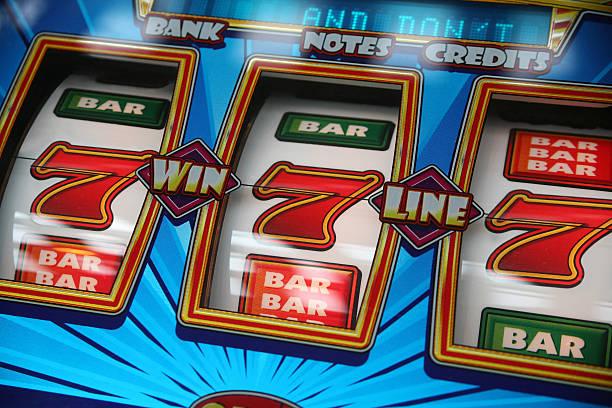
Have you ever noticed how some slot games keep you coming back while others feel repetitive after just a few spins? The difference often comes down to immersive features that make the experience feel more alive and unpredictable. Modern slot games have evolved far beyond simple spinning reels, incorporating dynamic elements that transform passive gameplay into something that feels genuinely interactive and engaging.
Immersive slot features work by creating layers of excitement that extend beyond the basic mechanic of matching symbols. When a game includes animated sequences, responsive sound design, and interactive bonus rounds, players feel like active participants rather than passive observers. This shift in perception makes the entire experience feel more rewarding and keeps players invested in what happens next.
Understanding why these features matter helps explain the appeal of modern slot games. The psychology behind immersion taps into our natural desire for novelty and responsiveness, making each session feel different from the last.
Table of Contents
ToggleHow Visual Animation Changes The Experience
Visual effects are one of the most obvious ways immersive features transform slot gameplay.
When reels spin with smooth animations rather than simply flashing between symbols, your brain processes the action differently. High-quality graphics create a sense of momentum and anticipation that basic static displays simply cannot match. Winning combinations that trigger celebratory animations or special effects make victories feel more significant and satisfying. The visual feedback reinforces the positive outcome, creating a stronger emotional connection to the win.
Modern games also use visual transitions to guide your attention strategically. When certain symbols light up or glow before a bonus round activates, you feel like the game is building toward something special. This directional storytelling through visuals keeps your mind engaged with what might happen next. The anticipation itself becomes part of the entertainment value, not just the outcome.
Color psychology plays a subtle but important role as well. Games that use contrasting colors, dynamic lighting, and responsive visual elements trigger more neural activity than static designs. Your eyes naturally follow movement and change, so when animations respond to your actions or to game events, you feel more connected to the outcome.
Sound Design And Immersive Audio
Audio creates an emotional landscape that shapes how you perceive the entire experience.
Layered sound effects work in combination to build tension and release. Background music might gradually increase in tempo as you approach a bonus round, while specific sounds trigger when you land winning combinations. These audio cues create a multisensory experience that makes the game feel more responsive and alive. Your brain processes these sounds as signals of progress and achievement, which reinforces continued play.
The quality of audio design also affects perceived value. Professional-grade sound effects and music make the game feel more polished and high-quality, even if the underlying mechanics remain the same. When sounds are crisp, well-timed, and contextually appropriate, the entire experience feels more intentional and less random. This perception of quality increases player satisfaction and trust in the game.
Spatial audio adds another dimension to immersion. When sounds come from different directions or seem to move across your play space, your brain engages more deeply with the experience. This three-dimensional audio landscape makes sitting at a game feel less like staring at a screen and more like being inside an environment.
Interactive Bonus Rounds And Player Agency
Bonus features that require player input create a fundamentally different experience than passive spinning.
When you can click, tap, or make choices during bonus rounds, you shift from spectator to participant. This sense of agency makes wins feel earned rather than randomly gifted. Even if the underlying outcome is predetermined, the illusion of control creates stronger emotional investment. You feel responsible for the result, which makes victories more satisfying and losses less frustrating.
Multi-stage bonus rounds extend this feeling of participation across longer sequences. Instead of a single quick reward, you navigate through several choices or challenges that build toward a final payout. This extended engagement keeps your attention focused and makes the bonus feel like an actual game within the game rather than just a multiplier applied to your stake.
Platforms like hoki123 showcase how these interactive elements can be integrated into slot experiences to maintain player interest across longer sessions. The combination of choice and consequence creates narrative momentum that pure chance-based mechanics cannot replicate.
Narrative Elements And Thematic Consistency
Modern slots increasingly incorporate storytelling elements that give gameplay context and meaning.
When a game has a coherent theme with characters, settings, and plot progression, each spin feels like part of a larger narrative. You are not just spinning reels for numbers; you are advancing through a story. This narrative framework makes repeated gameplay feel purposeful rather than repetitive. The story gives you reasons to keep playing beyond just the financial incentive.
Character animations and dialogue add personality to the experience. When symbols come to life with expressions, movements, and voice acting, the game feels less mechanical and more social. You develop a relationship with the game's characters, which creates emotional stakes beyond the monetary outcome. Winning feels like helping the character succeed, while losing feels like disappointing them.
Thematic consistency across all visual and audio elements reinforces immersion. When the graphics, sounds, animations, and bonus mechanics all support the same theme, the experience feels cohesive and intentional. Players recognize the care put into creating a unified experience rather than a collection of random features thrown together.
Responsive Feedback Systems
The most immersive games provide immediate and varied feedback for every action.
When you click to spin, the game responds instantly with visual and audio cues that acknowledge your input. This responsiveness makes the interface feel alive and reactive rather than sluggish or delayed. Immediate feedback creates a satisfying gameplay loop where each action produces a clear result, keeping you engaged with the moment-to-moment experience.
Varied feedback prevents habituation and keeps the experience fresh. Games that randomize animations, sounds, and visual effects for similar outcomes prevent your brain from tuning out the feedback. Even when the result is the same, slightly different presentation keeps your attention active. This variation mimics the unpredictability that makes gameplay feel dynamic.
Immersive slot features ultimately work because they transform a simple mathematical process into a multisensory experience. By combining visual animation, audio design, interactive elements, narrative context, and responsive feedback, modern games create the perception of a dynamic and responsive environment. This perception of dynamism keeps players mentally engaged and makes each session feel unique, even when playing the same game repeatedly.