In a world filled with pocket-sized wonders and tech-savvy tools, knowing what exactly qualifies as a gadget can transform your daily life. From smartwatches that remind us to breathe to multifunctional knives that could make MacGyver proud, gadgets offer endless possibilities. Yet, what do we actually mean when we toss around the term ‘gadget’? Get ready to jump into a delightful exploration of gadgets – an adventure that’s equal parts informative and entertaining.
Understanding Gadgets: A Comprehensive Overview
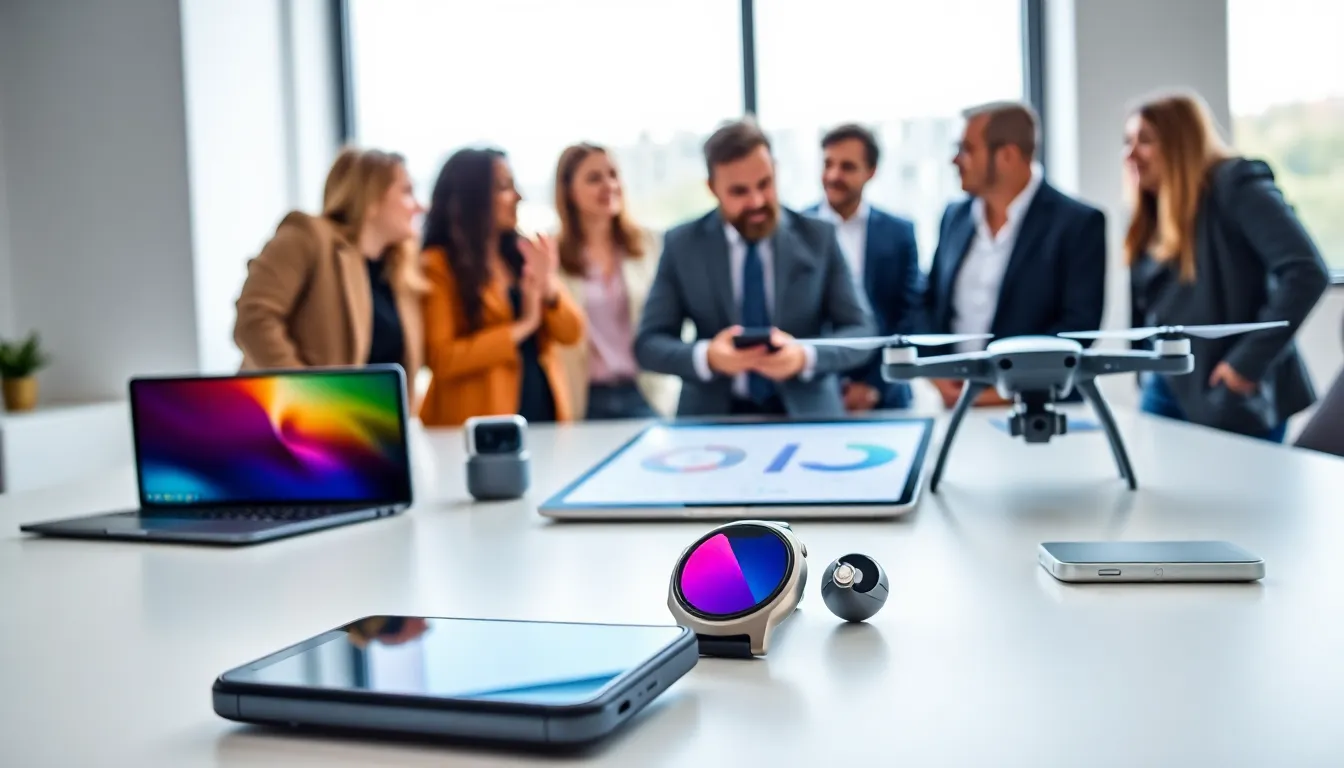
At its core, a gadget is a small device or tool that serves a specific function. This might sound simplistic, but gadgets are much more than just tools. They often incorporate innovative designs and advanced technology, turning ordinary tasks into exciting experiences. Think of a smartphone: it’s not just a communication device but a compact computer, camera, and entertainment center all rolled into one.
Gadgets can vary widely in complexity, ranging from basic mechanical devices like a Swiss Army knife to high-tech items like drones or virtual reality headsets. What truly unites them is their ability to simplify, enhance, or enrich everyday activities. So, understanding gadgets means recognizing their strategic roles in our lives.
The Evolution of Gadgets
The history of gadgets is a tale of human ingenuity. Beginning with the simplest tools that served fundamental purposes, the journey has led us through remarkable developments in technology. The calculator, for example, evolved from mechanical counting devices to sophisticated digital formats that fit comfortably in our pockets.
As the digital age emerged, gadgets transformed at lightning speed. In the late 20th century, personal computers hit the consumer market, revolutionizing how people worked and communicated. Fast forward to today, where smart gadgets like fitness trackers and smart home devices offer unparalleled connectivity and functionality, highlighting an exciting shift in not just what gadgets do, but how they integrate into our lifestyles.
Types of Gadgets
Gadgets can be segmented into several types based on their functionalities and use cases:
1. Communication Gadgets
These include smartphones, tablets, and even smartwatches. Devices in this category keep people connected, providing instant access to information and communication.
2. Entertainment Gadgets
From streaming devices to video game consoles, these gadgets enable users to indulge in their favorite pastimes, delivering entertainment at home or on the go.
3. Health and Fitness Gadgets
Wearable technology, such as fitness trackers and smart health monitors, plays a crucial role in personal wellness, allowing individuals to monitor their health and performance.
4. Smart Home Gadgets
Smart thermostats, security cameras, and connected appliances fall into this category, making homes more secure and efficient.
5. Multifunctional Gadgets
This includes multitools, like the Swiss Army knife, and devices that perform various functions within a single product design.
Functionality and Purpose of Gadgets
The primary function of a gadget is to make life easier or more enjoyable. Gadgets often come equipped with features that enhance their purpose, such as:
- Convenience: Most gadgets prioritize user-friendliness. A good gadget should be intuitive enough for anyone to use without extensive learning.
- Portability: Many are designed to be lightweight and compact, making them easy to carry and use anywhere.
- Efficiency: Gadgets streamline processes, turning complex tasks into straightforward actions. A robotic vacuum, for example, saves time and effort by automating cleaning.
- Entertainment and Engagement: Gadgets often provide immersive experiences, like gaming consoles that put players in the middle of the action.
The Impact of Gadgets on Daily Life
Gadgets have infiltrated nearly every facet of daily life, reshaping how individuals interact with each other and their environment. They create new opportunities for productivity, creativity, and connectivity. For instance, smartphones have not only transformed communication but also how we access information, navigate, and manage our schedules.
Also, gadgets influence social dynamics. How many social interactions now occur through digital means? From texting to video calls, the way people connect is evolving. On a more personal level, devices like fitness trackers encourage healthier lifestyles by promoting active habits and self-awareness.
Also, gadgets help learning through e-books and educational apps. Many individuals now rely on technology to gain skills and knowledge, making learning more accessible than ever.
Future Trends in Gadgets
Looking ahead, the future of gadgets promises even more thrilling innovations. Trends like the Internet of Things (IoT) will see ordinary objects becoming smart, leading to more interconnected and responsive environments.
1. Artificial Intelligence Integration
AI-enhanced gadgets could revolutionize user experiences by personalizing functionality based on individual habits and preferences.
2. Augmented Reality (AR) Gadgets
Devices utilizing AR technology will enhance real-world experiences, leading to immersive gaming and educational opportunities.
3. Sustainability Focus
As environmental concerns grow, gadget manufacturers are looking to produce energy-efficient products made from sustainable materials. This trend aligns gadgets with the broader movement towards eco-conscious living.