
Imagine a home that anticipates your needs better than your best friend. Intelligent home solutions are the magic wands of modern living, transforming ordinary spaces into smart havens. With a flick of a finger or a simple voice command, lights dim, thermostats adjust, and security systems engage—all while you kick back and enjoy your favorite show.
Gone are the days of fumbling for light switches or worrying if you locked the door. These innovative technologies not only simplify daily tasks but also add a dash of sophistication to any home. Embracing intelligent solutions means stepping into a world where convenience meets efficiency, and let’s face it, who wouldn’t want their home to be as clever as they are? Get ready to explore how these smart systems can revolutionize everyday life and make your home the envy of the neighborhood.
Understanding Intelligent Home Solutions
Intelligent home solutions significantly enhance everyday living by integrating advanced technology into residential environments. These systems rely on automation and connectivity to provide effortless management of various home functions.
What Are Intelligent Home Solutions?
Intelligent home solutions refer to a suite of smart technologies that streamline home operations. These solutions enable comprehensive control over elements like lighting, heating, and security, allowing users to manage their homes remotely using smartphone apps or voice commands. Smart devices interact with each other, leading to increased efficiency and convenience. They also provide real-time updates and feedback, ensuring that residents can monitor their homes at all times.
Key Components of Intelligent Home Solutions
Key components of intelligent home solutions include smart devices, sensors, and communication protocols. Smart speakers facilitate voice control, and smart thermostats adjust temperatures based on usage patterns. Security cameras and smart locks enhance home security, offering real-time monitoring and alerts. Sensors detect motion and changes in the environment, optimizing energy use and ensuring safety. Together, these components create a cohesive ecosystem that supports a user-friendly experience.
Benefits of Intelligent Home Solutions
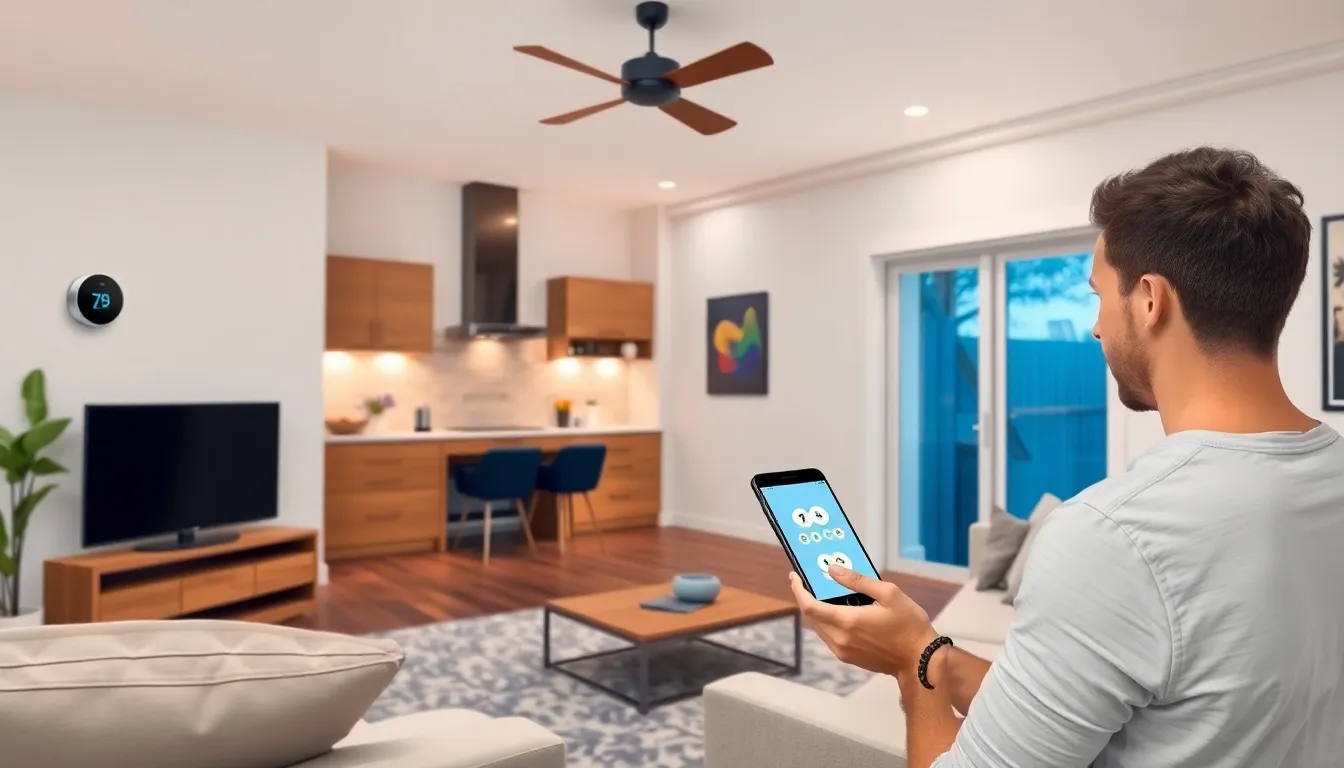
Intelligent home solutions offer numerous advantages, significantly improving everyday living through automation and connectivity.
Enhanced Security Features
Smart home technologies provide advanced security options. Users benefit from features like real-time monitoring through surveillance cameras and alarms. Automated locks enable secure access, allowing residents to control entry without physical keys. Motion sensors alert homeowners to unusual activity, enhancing overall safety. Integration with smartphone apps ensures constant updates, reinforcing peace of mind. Remote access grants control over security systems, so users can monitor their homes from anywhere.
Energy Efficiency and Cost Savings
Utilizing intelligent home solutions promotes energy efficiency and cost savings. Smart thermostats adjust heating and cooling based on occupancy, minimizing energy waste. LED lighting systems work in tandem with sensors, ensuring lights turn off in unoccupied rooms. Additionally, energy monitoring apps provide insights into consumption patterns, helping users identify areas for improvement. Collectively, these features lead to significant reductions in utility bills while contributing to a more sustainable lifestyle. Overall, the seamless management of energy use transforms homes into eco-friendly environments.
Popular Intelligent Home Solutions
Intelligent home solutions include a variety of technologies designed to enhance daily living. Homeowners value these innovations for their ability to boost convenience, efficiency, and security.
Smart Security Systems
Smart security systems offer advanced protection and peace of mind. These systems consist of features such as cameras, alarm systems, and doorbell cameras that provide real-time monitoring. Users can receive instant alerts on their smartphones, ensuring awareness of any potential threats. Moreover, automated locks enable secure access management, allowing keyless entry through smartphone apps. Solutions like motion detectors enhance surveillance by notifying owners of unusual activity around their homes. This technology not only increases safety but also deters intruders effectively.
Home Automation Hubs
Home automation hubs act as control centers for various smart devices. These hubs enable seamless communication between devices, allowing users to manage everything from lighting to temperature effortlessly. Popular examples include Amazon Echo and Google Nest, which support voice commands for hands-free operation. Integration with multiple platforms ensures compatibility and flexibility, creating a customized user experience. Scheduling features let users automate tasks, like turning off lights or adjusting the thermostat at specific times. This level of control fosters a cohesive smart home environment.
Smart Lighting Solutions
Smart lighting solutions revolutionize traditional lighting systems with enhanced control. Dimmer switches and color-changing bulbs allow users to set the perfect ambiance for any occasion. Scheduling options enable lights to turn on or off automatically, aligning with daily routines. Integration with voice assistants simplifies operation, allowing adjustments without needing physical switches. Energy-efficient LED bulbs contribute to reduced electricity consumption, which benefits both the environment and utility bills. Overall, smart lighting elevates aesthetics while promoting sustainability.
Considerations for Implementing Intelligent Home Solutions
Implementing intelligent home solutions involves practical considerations to ensure successful integration and functionality.
Budget and Cost Considerations
Budget planning stands as a critical factor in deploying intelligent home solutions. Costs can vary widely based on the technology selected and the number of devices installed. Basic systems may start around $200, while comprehensive setups can exceed $2,000. Homeowners should budget for installation fees and ongoing maintenance expenses as well. Evaluating the long-term savings on energy bills can offer a clearer picture of overall value, especially with energy-efficient devices like smart thermostats. This cost reduction often mitigates initial investments over time.
Compatibility with Existing Systems
Compatibility with existing systems influences the ease of integrating smart technologies. Assessing current infrastructure helps identify which devices will work together effectively. Older systems may require upgrades to support new smart devices fully. Smart home hubs can facilitate interaction between diverse products, promoting a cohesive environment. Important standards such as Z-Wave and Zigbee enhance compatibility and ensure seamless communication. Prioritizing devices that integrate with existing setups reduces unnecessary complications and enhances user experience.
Adopting intelligent home solutions represents a significant step toward modern living. These technologies not only simplify daily routines but also enhance security and energy efficiency. Homeowners can enjoy greater control over their environments while contributing to sustainability.
As the market continues to evolve, the integration of smart devices becomes more seamless and accessible. With careful planning and consideration of compatibility, anyone can transform their home into a smart haven. Embracing these innovations paves the way for a more convenient and connected lifestyle, making it easier to manage every aspect of home living.